

Hunan Xiangyi Power Testing Instrument Co., Ltd.


1 Overview of Engine Performance and Emission Testing
The engine performance and emission test bench includes a complete set of AC dynamometers and automatic measurement systems for engine bench testing. / It can be used for power, economy, and emission optimization matching tests of domestic and foreign engines, optimization calibration during automotive power development, and dynamic development tests of engines using whole vehicle and road simulations. It meets the latest engine product certification test requirements of Chinese, American, Japanese, and European regulations.
2 Types of Engine Test Benches
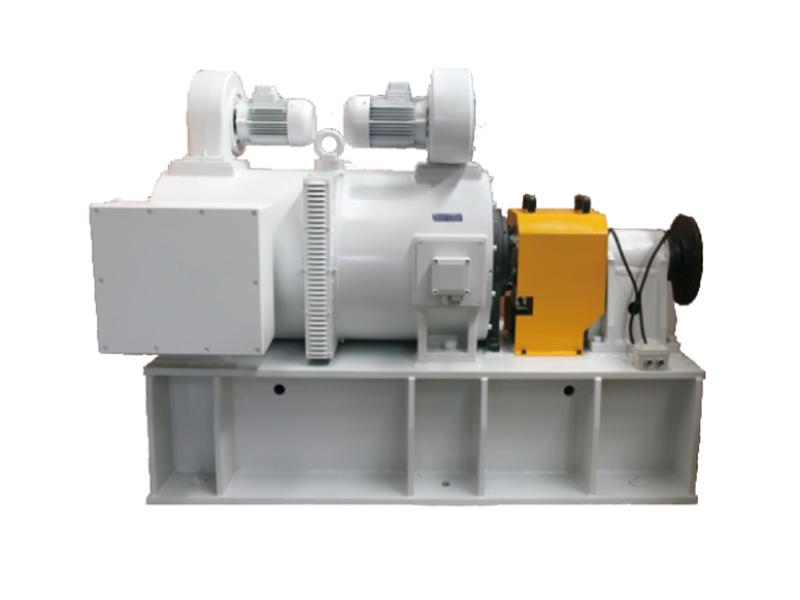
2.1 Eddy Current Dynamometer Engine Test Bench
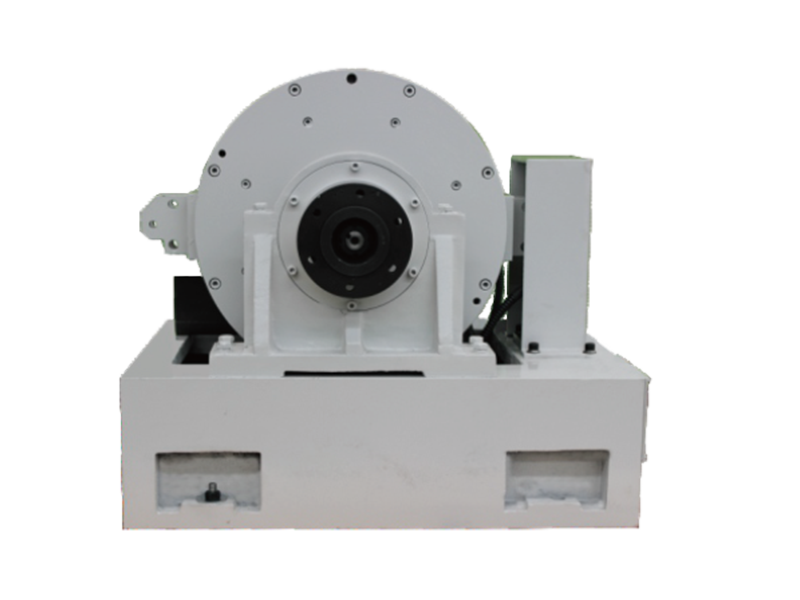
2.2 Hydraulic Dynamometer Engine Test Bench
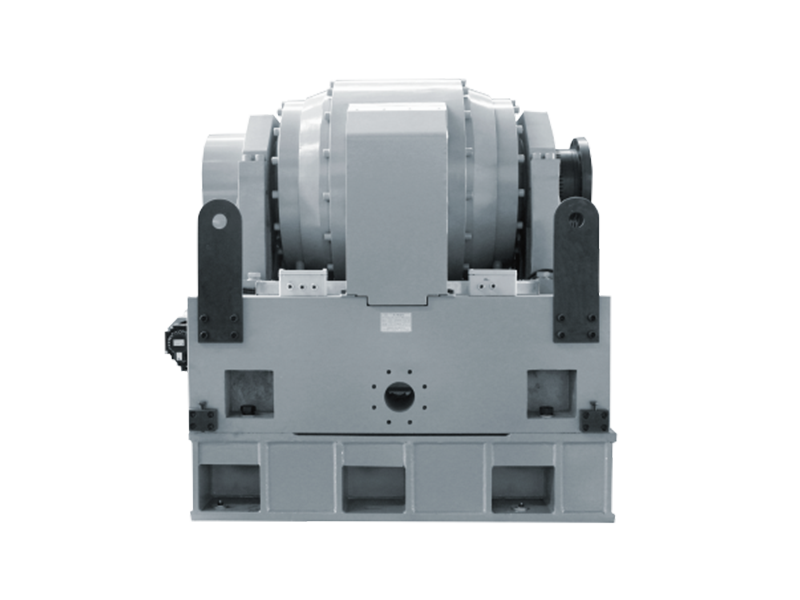
2.3 Electric Dynamometer Engine Test Bench
3 Engine Test Bench Functions
-
- Idle speed test: Routine test to assess idle speed fluctuation.
- Gross power test: Routine test. , Automatic operating condition control.
- Net power test: Routine test. , Automatic operating condition control.
- Load characteristic test: Routine test, an important basis for whole vehicle power matching, automatic operating condition control.
- Universal characteristic test: Routine test, an important basis for whole vehicle power matching, similar test method to load characteristic test.
- Endurance test: Can be completed under automatic operating conditions.
- External characteristic test.
- Full speed, full load.
- Mechanical loss power test.
- Engine reverse drag test.
- ESC 、 ETC 、 ELR 、 WHTC 、 WHSC 、 NRTC 、 NRSC etc. ;
- User-defined steady-state and dynamic development tests.
- It can integrate and control some third-party flow equipment, air flow meters, transient fuel consumption meters, etc., to conduct engine-related emission tests.
4 Technology and National Standards
| Serial Number |
Standard Name |
Standard Number |
| The equipment should meet and complete the relevant test standards and cycles. |
||
| 1 |
Automotive Engine Performance, Power Test Methods and User-Defined Test Cycles |
GB/T 18297-2001 GB/T 17692-1999 ECE R85/00 |
| 2 |
Reciprocating Internal Combustion Engine Performance Part 1 Part: Calibration and Test Methods for Power, Fuel Consumption and Oil Consumption Additional Requirements for General Engines |
GB/T 6072.1-2008 |
| 3 |
Automotive Engine Reliability Test Methods |
GB/T 19055-2003 |
| 4 |
Internal Combustion Engine Determination and Measurement Methods of Engine Power General Requirements |
GB/T 21404-2008 |
| 5 |
Reciprocating Internal Combustion Engine Performance Part 3 Part: Test Measurement |
GB/T 6072.3-2008 |
| 6 |
Reciprocating Internal Combustion Engine Safety Part 1 Part: Compression Ignition Engines |
GB/T 20651.1-2006 |
| 7 |
National V, National VI Emission Test Cycles |
GB/T17691-2005 and GB/T17691-2018 |
| 8 |
Reciprocating Internal Combustion Engine Emission Measurement Part 3 Part: Definition and Measurement Method of Steady-State Exhaust Smoke Density |
GB/T 8190.3-2003 |
| 9 |
Emission Limits and Measurement Methods for Exhaust Pollutants from Diesel Engines for Non-Road Mobile Machinery (China's Third and Fourth Stages) |
GB 20891-2014 |
| 10 |
Emission Limits and Measurement Methods for Exhaust Pollutants from Compression Ignition and Gas Fuel Ignition Engines for Vehicles (Chassis Dynamometer Method) |
DB11/ 964-2013 |
5 Topology


6 Xiangyi Advantages
Modular Design:
Mechanical, electrical, and software all adopt modular design, allowing for flexible construction of the test environment based on different test objects.
Advanced Measurement and Control System:
Shares a mature platform with other Xiangyi power testing systems. Data acquisition, control, storage, and protection are all user-definable. The human-machine interface is user-friendly, with one-button automatic testing function, reducing the complexity of testing and workload for testers.
Suitable for different user groups, easy to use, and combines intelligence, openness, and flexibility.
Mature Emission Reports and Test Functions
Can achieve ESC 、 ETC 、 ELR 、 WHTC 、 WHSC 、 NRTC 、 NRSC emission tests and report functions ;
Safety Protection
It has system-level protection and user-defined multi-level protection measures to ensure the safe operation of the test bench and tests.
The test stand can be connected to a vibration monitoring system, which displays the vibration curves in both time and frequency domains in real time, the vibration trend during the test process, and automatically alarms and stops the machine when the vibration monitoring threshold is triggered.
Energy saving and environmental protection
The dynamometer allows for energy recycling, achieving energy saving and environmental protection.
7 List of main products for the implementation plan
I. Dynamometer System
II. Variable Frequency Power Supply System
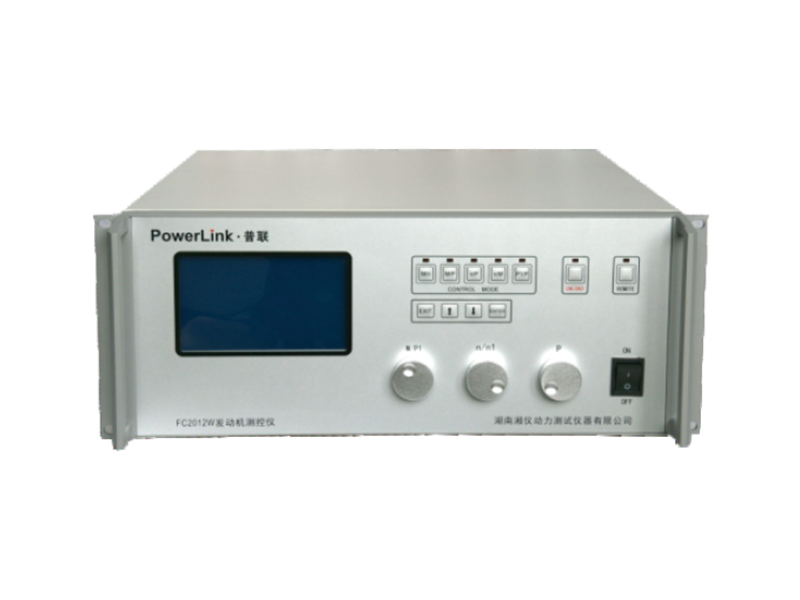
III. Automated Measurement and Control System
IV. Data Acquisition System
V. Device Under Test Installation Section
VI. Plate and Shock Absorption Section
VII. Engine Condition Auxiliary System
Previous:
Next:
Recommended Information

Sales Hotline:86-731-88317217/88317218/88317220
After-sales Hotline:86-731-88317038
Email:xydc@xydcweb.com
Website:www.xydcweb.con
Address: No. 99, Zhonglu, Maqiaohe Road, Wangcheng Economic Development Zone, Changsha, Hunan,China
Copyright © Hunan Xiangyi Power Testing Instrument Co., Ltd.
This site supports IPv4 IPv6.
Powered by www.300.cn ChangSha